
Through the Lens, With Respect: Ethical Wildlife Photography in the Greater Yellowstone Ecosystem
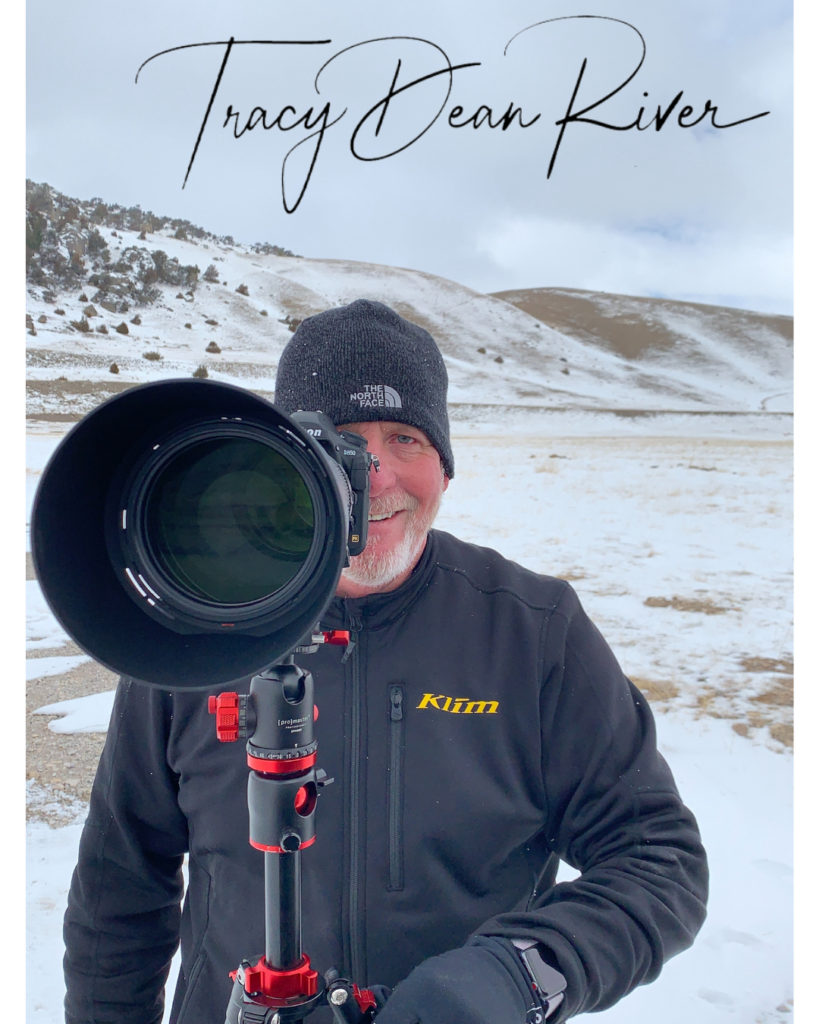
By: Tracy Dean River
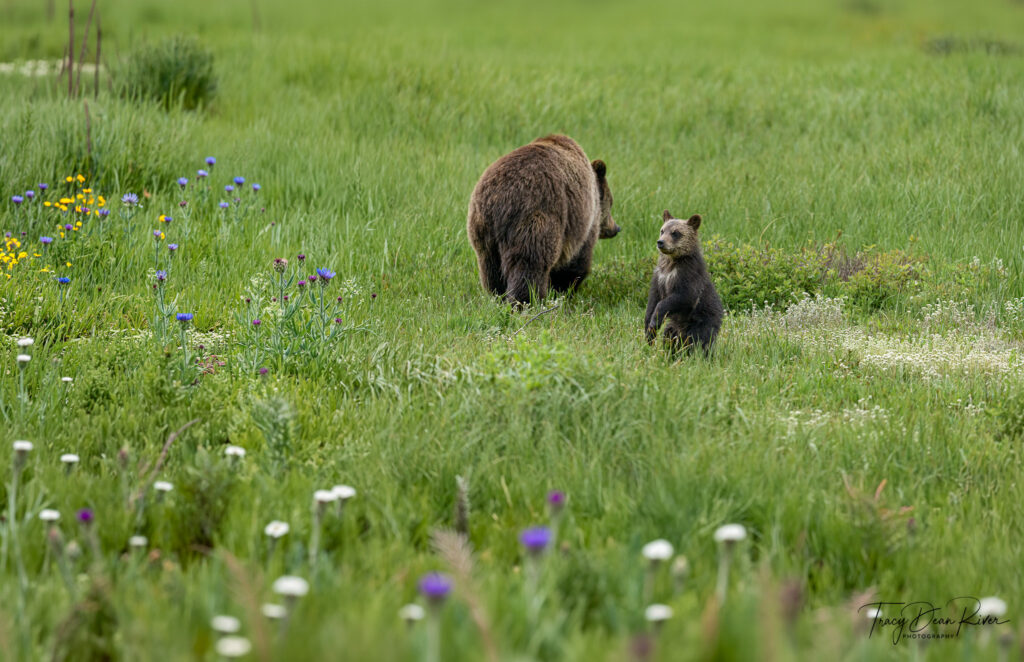
In the Greater Yellowstone Ecosystem, wildlife doesn’t exist for our cameras. Yet every year, millions of visitors arrive hoping for a glimpse, and a photograph, of its most iconic animals. Wolves cross snowy valleys, bison grind through winter storms, and bears move through landscapes shaped by thousands of years of survival. These moments feel wild and unscripted, but our presence changes them more than we often realize.

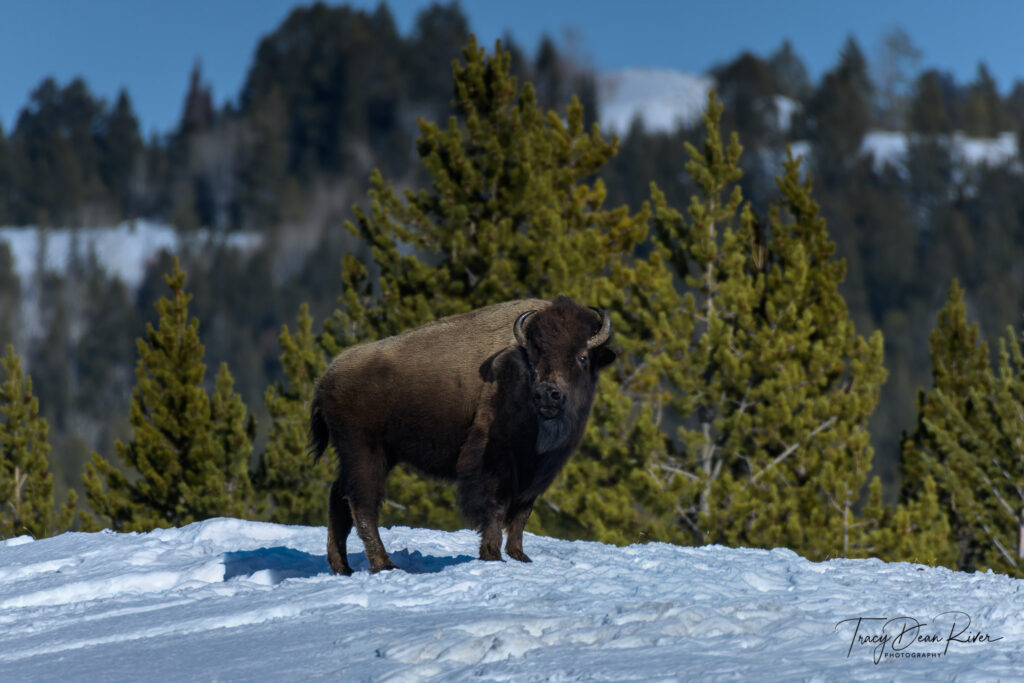
Wildlife photography brings us closer to our subjects. But a shared location tag, or a moment of impatience can ripple far beyond one image. Ethical wildlife photography isn’t about limiting creativity, it’s about honoring the wildness we came to witness.
Greater Yellowstone is one of the last truly intact ecosystems in North America, and its wildlife faces constant challenges: harsh winters, dry summers, shrinking habitat, and increasing human pressure. In this environment, ethical photography begins with a simple truth: the well-being of the animals must always come before the image. No photograph is worth altering an animal’s behavior, increasing stress, or putting wildlife or people at risk.
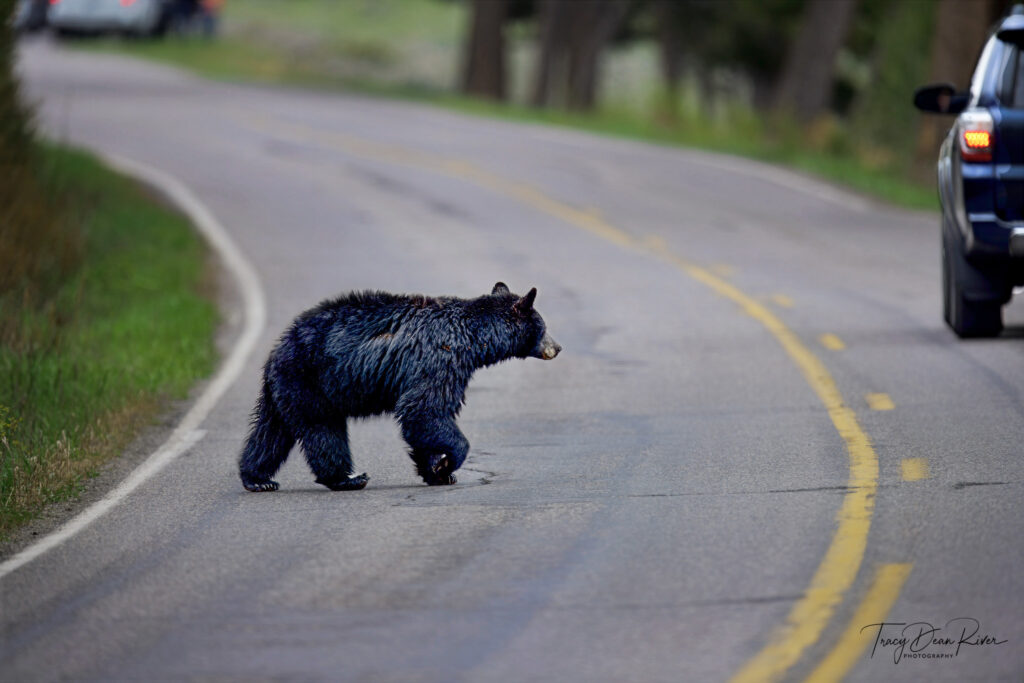
Distance is one of the most critical, and misunderstood, ethical principles. It may not be at all obvious to people when animals are experiencing stress, and their often subtle warning signs can be easy to miss for untrained eyes. While federal distance guidelines provide a baseline, ethical responsibility goes further. If your presence causes an animal to stop feeding, change direction, or fixate on you, you’re too close. Long lenses exist so photographers can document wildlife without such intrusions.
The consequences of unethical photography often extend well beyond a single encounter. Roadside wildlife jams, photographers stepping off trails for a better angle, or viral images that reveal sensitive locations all contribute to habitat degradation and habituation. When animals become accustomed to humans, they are more likely to be struck by vehicles, involved in conflict, or removed from the landscape entirely. A single “perfect” photo can unintentionally encourage hundreds of others to repeat the same harmful behavior.
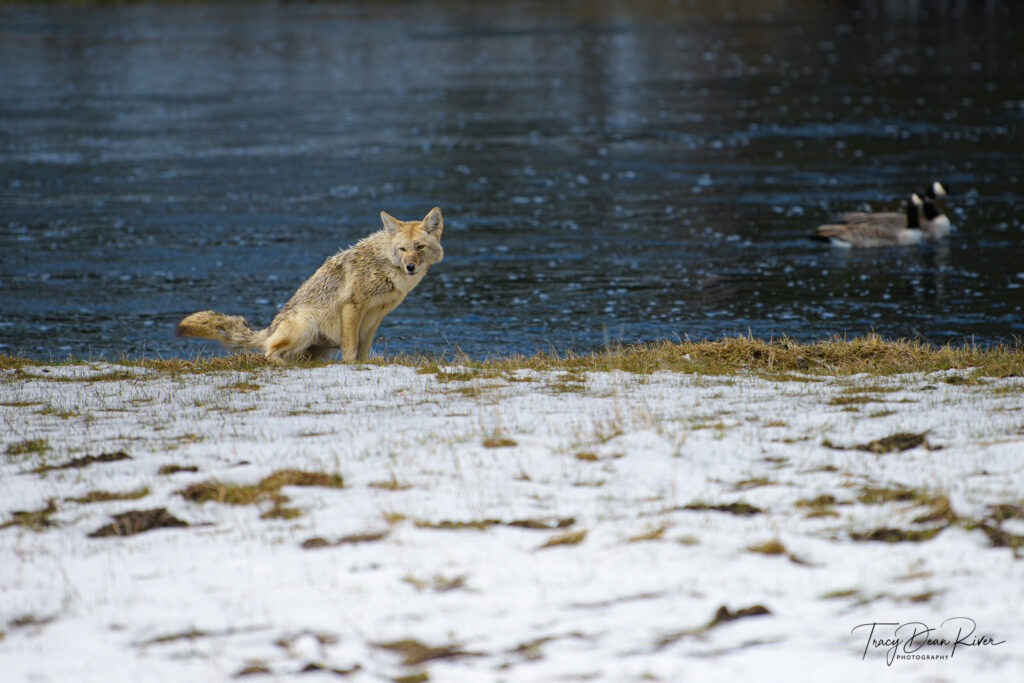
Ethical wildlife photography also requires respect for the landscape itself. The geothermal areas, alpine meadows, and river corridors of Greater Yellowstone are fragile and slow to recover from damage. Staying on trails, honoring seasonal closures, and practicing “Leave No Trace” principles protect not only wildlife habitat but the ecological processes that sustain the entire ecosystem.

Perhaps the most difficult shift for photographers is redefining what success looks like. Not every encounter needs to result in an image. Sometimes success means observing quietly from a distance, or choosing not to share a location publicly. The most meaningful wildlife photographs are not defined by proximity, but by patience, restraint, and respect.
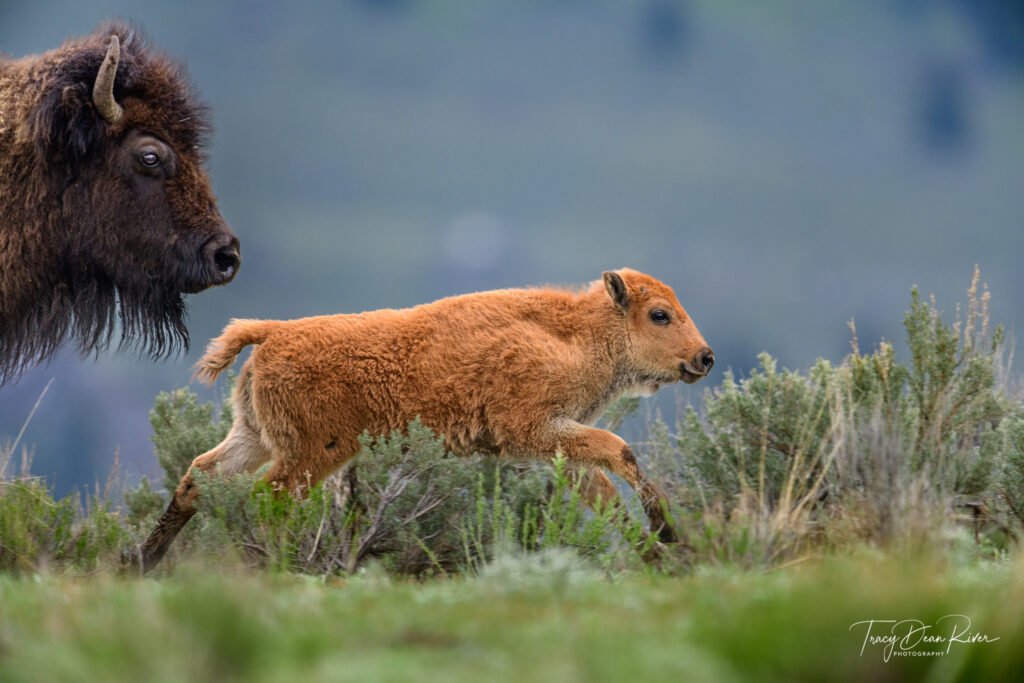
In a place as extraordinary as Greater Yellowstone, restraint is a form of respect. The most powerful images are those taken without interference, pressure, or harm. When we choose responsibility over recognition, we become more than observers, we become stewards of the wild moments we are privileged to witness.
Ethical Wildlife Photography Checklist (Save This)
Before you head out, ask yourself:
☐ Am I prioritizing the animal’s welfare over the photo?
☐ Am I far enough away that the animal’s behavior remains natural?
☐ Am I using my lens to get closer instead of my feet?
☐ Have I stayed on designated trails and durable surfaces?
☐ Am I avoiding baiting, calling, or flushing wildlife?
☐ Will sharing this image encourage unsafe or unethical behavior?
☐ Am I respecting closures, seasonal restrictions, and sensitive habitats?
☐ Would I walk away if this situation became stressful for the animal?
If the answer to any of these is no, it’s time to pause—or move on.
Author’s Call to Action: If you love wildlife and the Greater Yellowstone Ecosystem, let your photography reflect that care. Share images responsibly, model ethical behavior in the field, and speak up when you see practices that put wildlife at risk. The future of these wild places depends not only on policies and protections, but on the everyday choices we make when no one else is watching.