
Beyond the Lens: The Role of Naturalism in Wildlife Photography
By: Tracy Dean River
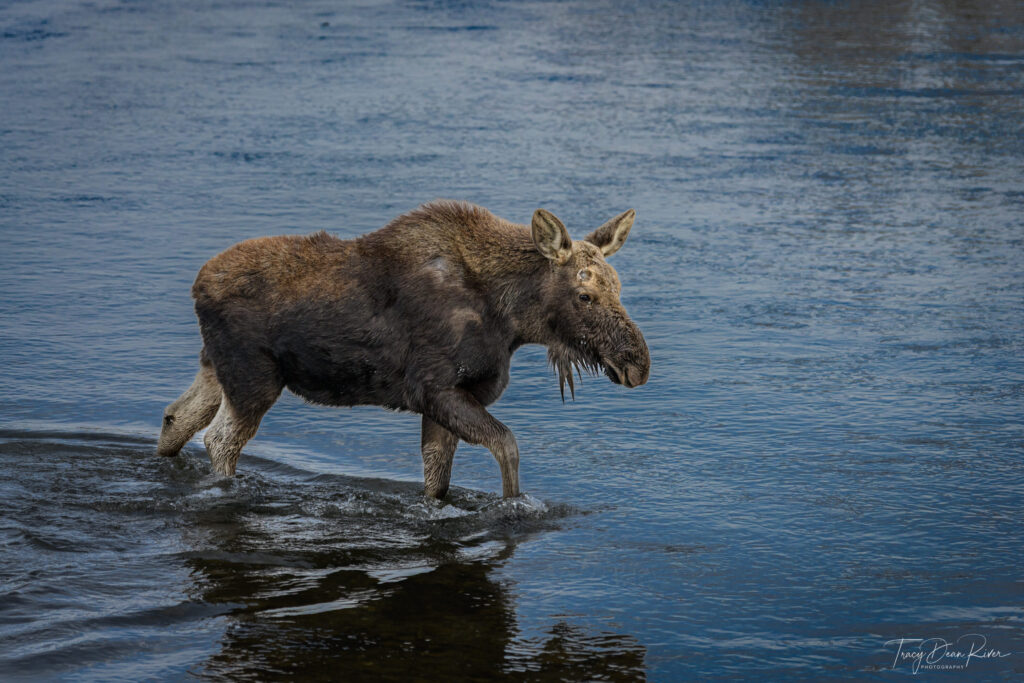
Being a naturalist provides a powerful foundation for becoming a skilled wildlife photographer because it shapes not only what you see, but how you see it. At its core, naturalism is about careful observation, patience, and a deep respect for ecosystems. These qualities translate directly into more meaningful and compelling photography.
A naturalist understands animal behavior, seasonal patterns, and habitats. This knowledge dramatically increases the chances of capturing unique moments. Instead of relying on luck, a photographer with a naturalist mindset can anticipate when a bird is likely to take flight, where a mammal might emerge at dusk, or how weather conditions influence activity. This predictive awareness allows for better planning and positioning, often resulting in more dynamic and intimate images

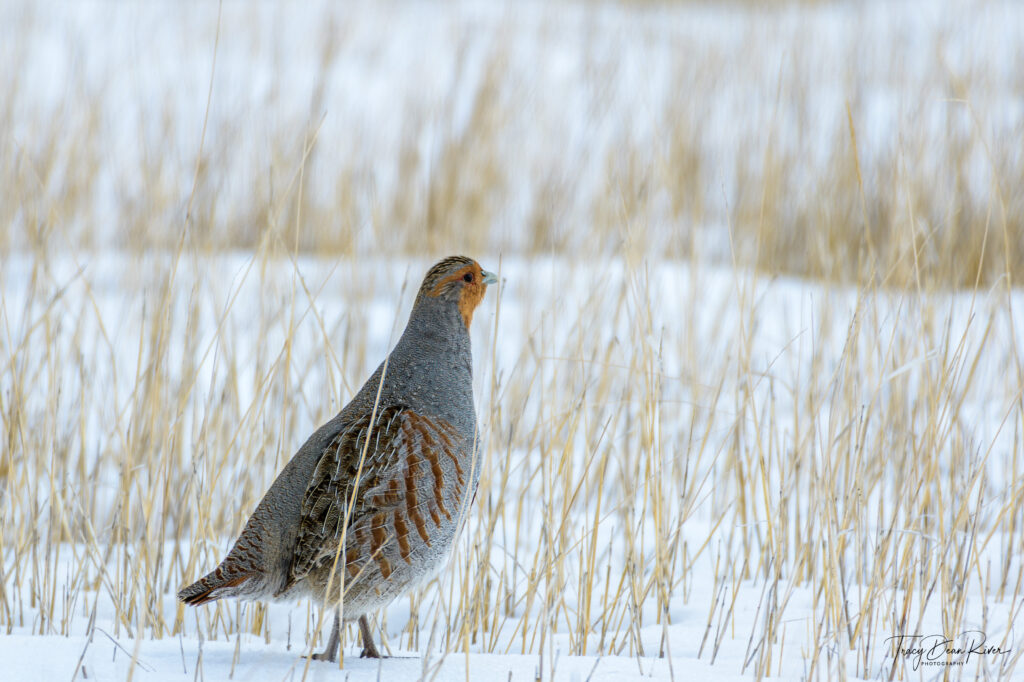
Patience is another essential trait shared by both naturalists and wildlife photographers. Observing nature isn’t rushed; it requires time spent listening, watching, and waiting. A naturalist is comfortable sitting quietly for long periods, which is often exactly what wildlife photography demands. This patience not only improves the likelihood of a successful shot but also leads to a deeper connection with the subject.
Equally important is the ethical perspective that naturalists bring. Respect for wildlife and their environments is central to naturalism. Photographers with this background are more likely to prioritize the well-being of animals over getting the “perfect shot.” They understand the importance of minimizing disturbance, avoiding sensitive habitats, and practicing responsible field behavior. This results in more authentic images and helps preserve the integrity of the ecosystems they document.
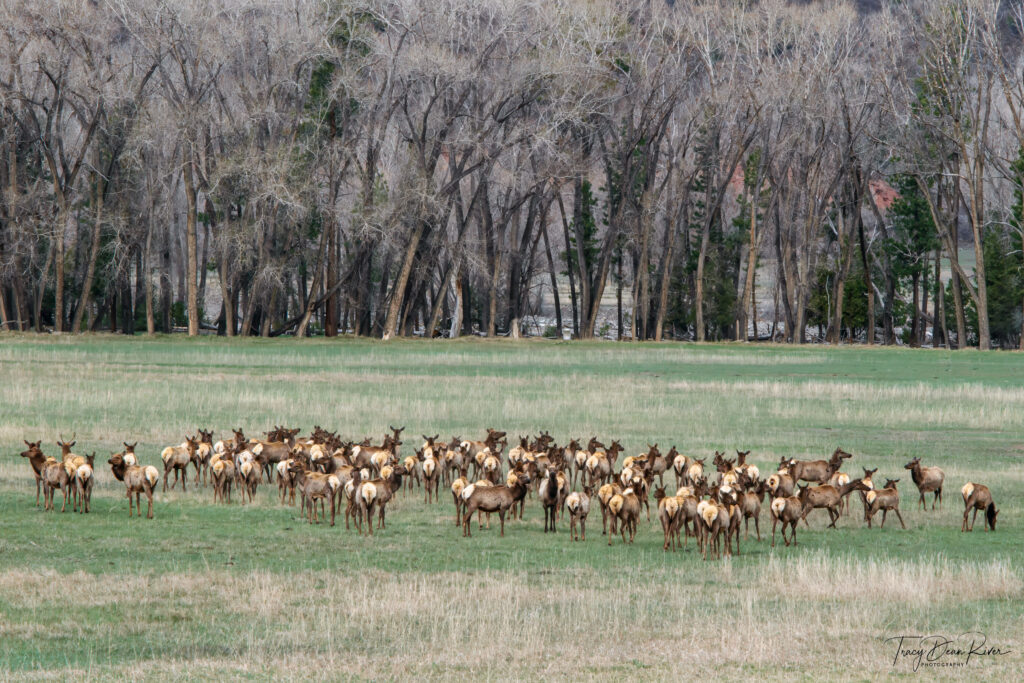
A naturalist’s attention to detail also enhances photographic composition. They notice subtle interactions, light filtering through leaves, tracks on the ground, or the relationship between species, that others might overlook. These details can elevate an image from a simple snapshot to a story rich photograph that conveys a deeper sense of place.
Being a naturalist fosters curiosity and continuous learning. Wildlife photography isn’t just about technical skill; it’s about understanding the living world. A naturalist approaches each outing as an opportunity to learn, which keeps their work evolving and fresh.

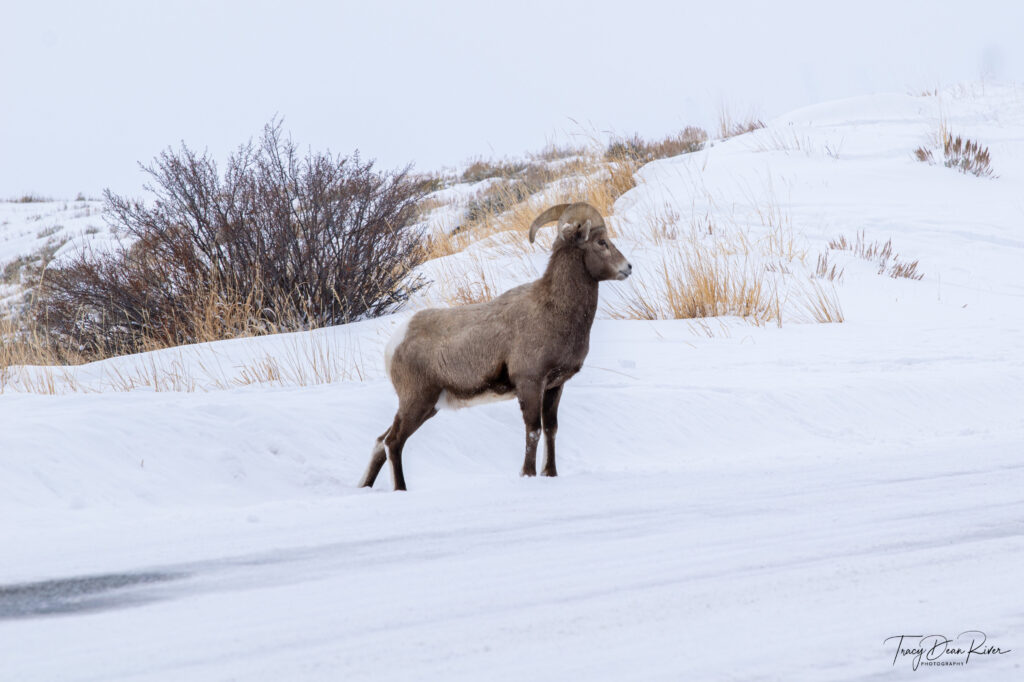
Finally, naturalism enriches wildlife photography by combining knowledge, ethics, patience, and perception. It transforms the act of taking pictures into a more thoughtful and immersive experience, ultimately leading to images that are not only visually striking but also meaningful and respectful of the natural world.
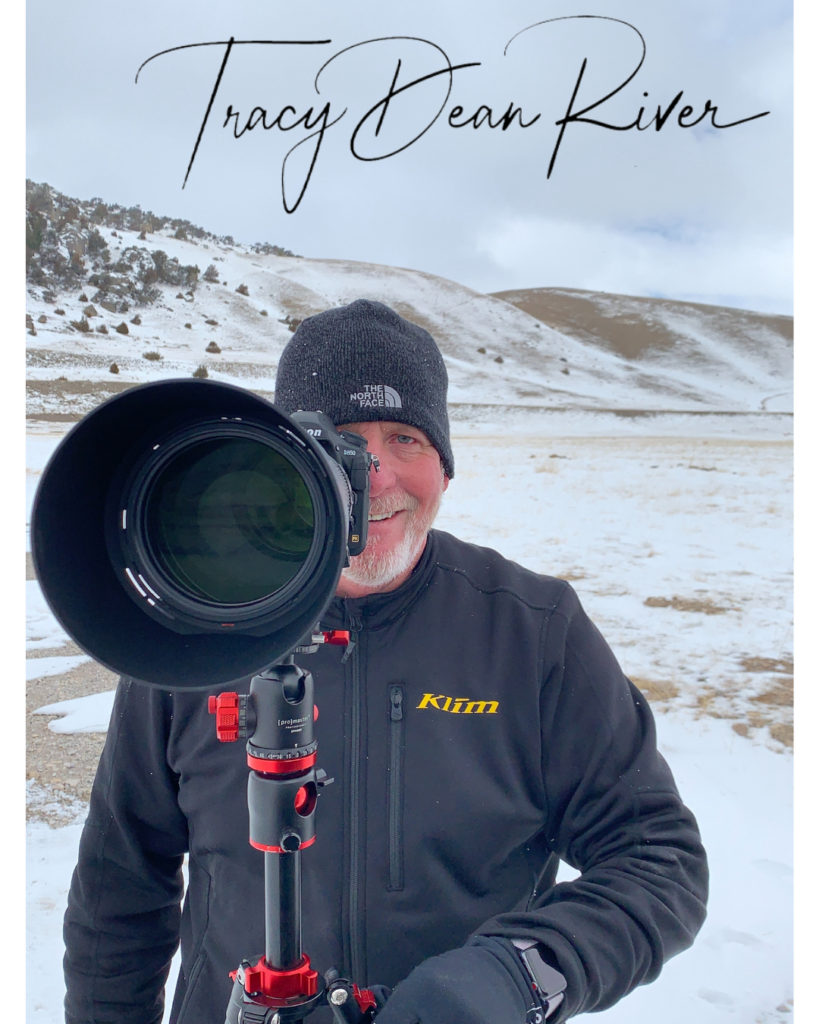
Meet the Author: Tracy lives full time in Island Park Idaho with his wife Michelle and two Goldendoodles, Wyatt & Cody. Tracy is an avid wildlife & landscape photographer. He also enjoys fly fishing, hiking, kayaking, snowmobiling, snowshoeing and traveling the country with his wife and dogs in their RV. His dedication to wildlife conservation stems from a life-long love of fishing and other outdoor activities.
Tracy joined the Board of HFWA in 2022 and serves as the Program Chair.