Volunteer

"Never doubt that a small group of thoughtful, committed citizens can change the world; indeed, it is the only thing that ever has" - Margaret Mead

Put your love for wildlife into motion by giving back to your community and supporting our local wildlife. When you volunteer with Henrys Fork Wildlife Alliance, you’ll make a tangible difference in preserving Idaho’s wild heritage. HFWA is dedicated to empowering the community to take care of the lands and wildlife we all cherish, with a focus on promoting ecological health and traditional land-use practices in eastern Idaho. We believe that when local communities feel educated and involved in conservation, they will rise to fulfill their responsibility to the lands, waters, and wildlife they cherish.

All our conservation and citizen science projects are planned in collaboration with other organizations, agencies, and like-minded landowners. By joining our volunteer list, you will receive email notifications about volunteer opportunities and community service projects. No commitment is required to sign up, and you don’t need any special training to volunteer with HFWA. You can choose from a range of roles that suit your skills, interests, and physical ability. We offer a variety of tasks that allow you to get hands-on experience and learn new skills, all while giving back to native wildlife. Our volunteer programs include citizen science opportunities to provide important information that helps wildlife management preserve healthy game and non-game populations.

So whether you’re a hunter, gardener, snowmobiler, or bird-watcher, join us at Henry Fork Wildlife Alliance. You’ll be part of a community that’s dedicated to preserving Idaho’s unique natural heritage for generations to come. Importantly, you’ll also find satisfaction in being a Champion for Wildlife.
Recent Projects

Pull a Fence for Pronghorn

On July 22, 2025 we teamed up with the National Parks Conservation Association, Greater Yellowstone Coalition, Preserve Raynolds Pass, dedicated volunteers, and a landowner to remove a 1/2 mile of fencing consisting of a combination of woven wire and barbed wire. Fences are an important tool used by ranchers to manage grazing so we work with landowners to find ways to control the movement of livestock, while allowing for the movement of wildlife. Where fences are necessary, modifications can be made including switching out the bottom strand of fencing for smooth wire and changing the height and distance between strands. Some fences can be laid down entirely when livestock is not present. Woven wire fencing can create a significant barrier for pronghorn who navigate fences by crawling under on their knees so in this case, since the fencing was no longer needed, it was removed entirely. Thanks to the hard work of this group, pronghorn and other migrating species can move a little more freely across the landscape to access seasonal ranges in the Madison Valley, Centennial Valley and Idaho. Thanks to everyone involved!

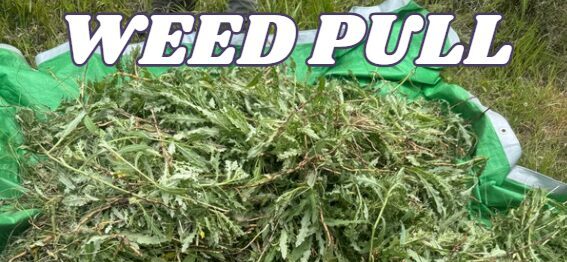
Weed Pull – Woods Creek Fen (TRLT Property)

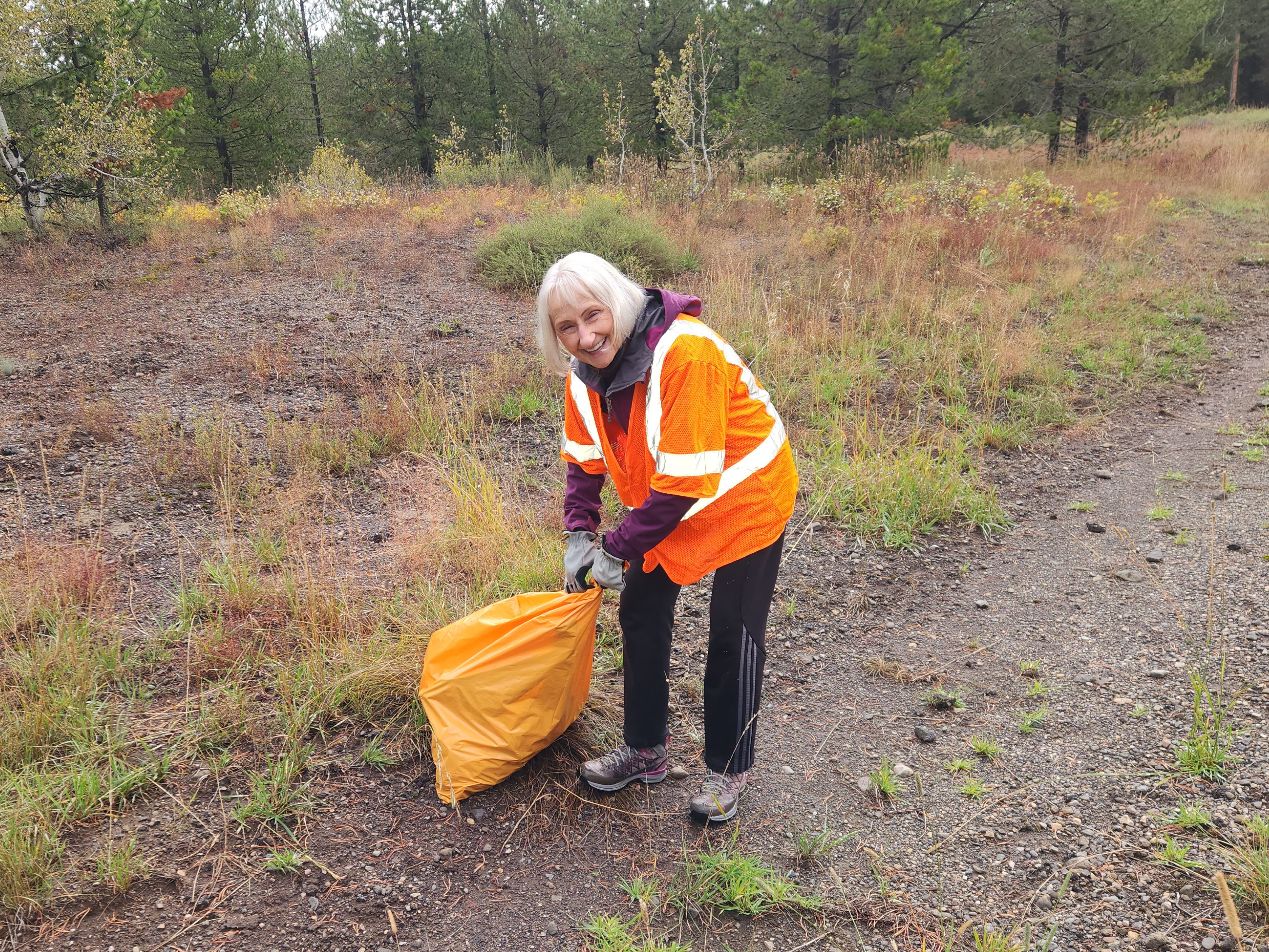
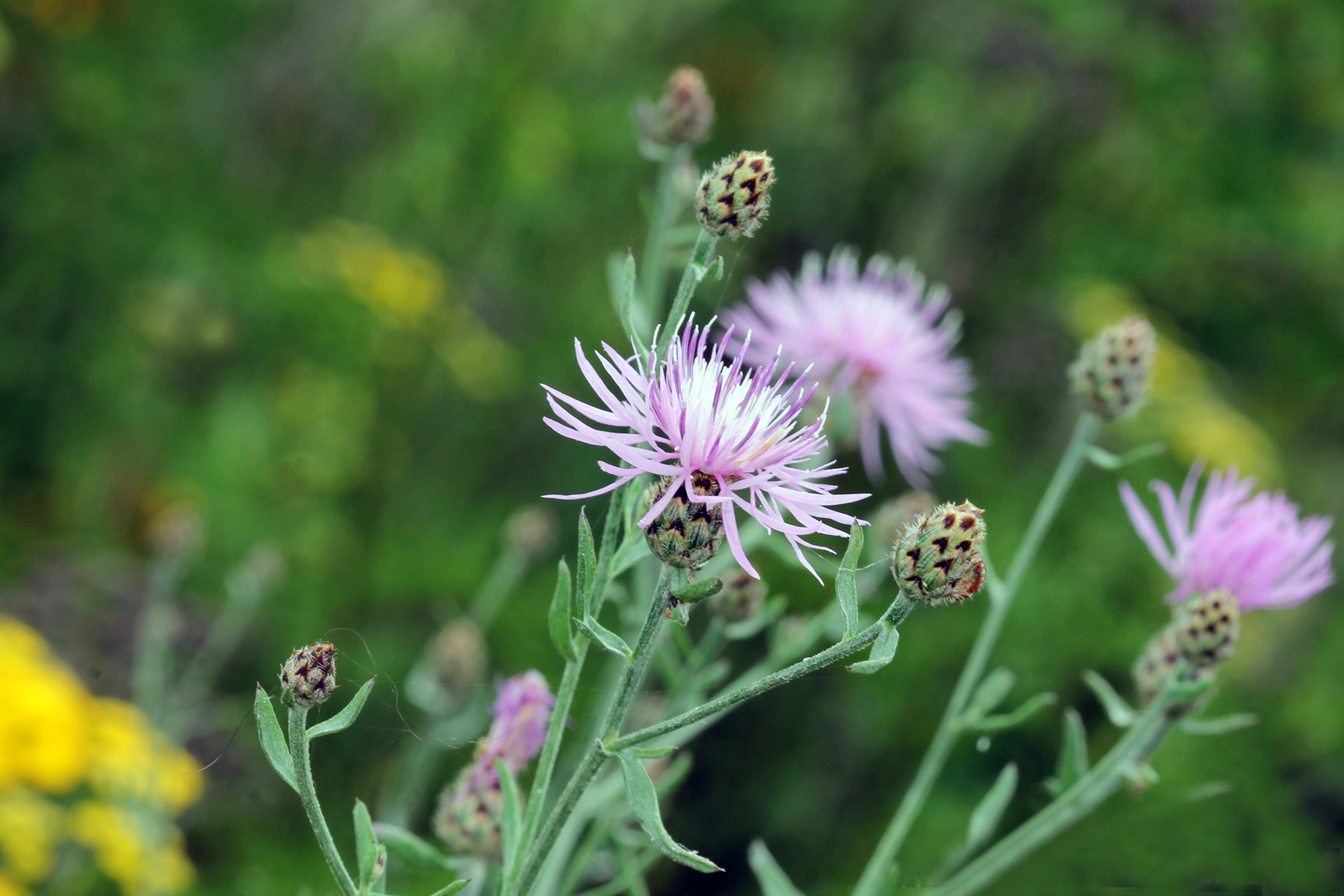
On July 1, 2025 HFWA joined the Teton Regional Land Trust for a weed pull on Woods Creek Fen near Driggs. The hard work of this volunteer crew will improve ecosystem health by making room for native plants to thrive and provide for wildlife. The crew focused their efforts on pulling primarily Canada and musk thistle, but also spotted knapweed, houndstongue, and oxeye daisy. Volunteers received a short course on weed identification before setting to work. Thank you to all of the volunteers that showed up to improve the landscape for native plants and animals!

Raising Lay-Down Fencing – Flat Ranch Preserve

June 11, 2025: We would like to extend our most sincere appreciation to all of the amazing volunteers that helped to raise and repair fencing at TNC’s Flat Ranch Preserve! Laying down fencing during critical migration periods is one tool that land managers can use to improve connectivity between critical winter and summer habitats. Although it can be labor intensive to lay down fencing before the winter migration just to raise it again after the spring migration, the effort benefits wildlife populations including pronghorn, deer, elk, moose, and even grouse that use the Henry’s Fork Watershed, while also supporting working lands. So, this is important work and we thank everyone involved for giving your time to help wildlife move more freely!